 Articles
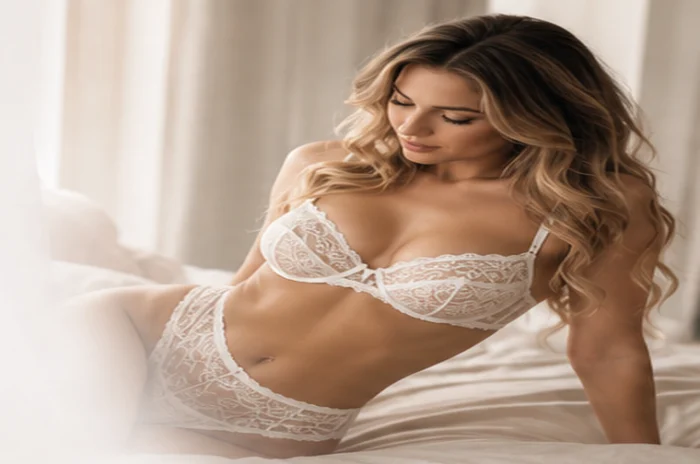
There is a difference between being seen and being discovered.
Being seen is easy. A photo appears. A profile flashes by. A moment gets noticed and forgotten.
Being discovered is different. It is slower. More personal. More intentional. It happens when someone is drawn not only to what you share, but to the confidence behind it, the mystery around it, and the boundaries that make the experience feel real.
That is the quiet power behind the phrase: buy my intimates.
It is not just about an item. It is about presence. It is about personality. It is about creating a private space where curiosity, discretion, and adult connection meet on your terms.
A More Personal Way to Share
Selling intimates online is not the same as listing an ordinary product. The appeal is not only in the fabric, the color, the style, or the photograph. Those details matter, but they are only part of the experience.
What makes an intimate listing memorable is the person behind it.
A buyer may notice a soft lace set, a playful pair, a bold color, or a simple everyday favorite. But what keeps his attention is the story around it. The mood. The confidence. The sense that he has found something more personal than a standard marketplace listing.
That is where a seller’s profile becomes more than a page.
It becomes a private boutique.
It says: this is my style, these are my limits, this is what I choose to share, and this is how I want to be approached.
That matters. Boundaries are not barriers. They are the structure that makes the experience feel safe, mature, and worth returning to.
Why Buyers Look for Intimates Online
Many adult buyers are not searching only for clothing. They are searching for connection, personality, and discretion.
Some want the thrill of browsing private listings. Some are drawn to a particular style: soft, elegant, bold, romantic, playful, mysterious, or unforgettable. Others are interested in the feeling of choosing from real adult profiles rather than faceless, mass-produced content.
The appeal is personal.
A buyer might be drawn in by a photo. Then he reads the profile. He notices the tone. He sees confidence. He sees taste. He sees someone who knows what she is comfortable sharing and what she is not.
That is the difference.
The item gets attention. The person creates interest.
Selling Intimates With Confidence
For sellers, the phrase “buy my intimates” should never mean giving up control. It should mean the opposite.
You decide how your profile looks. You decide what kind of listings you create. You decide what details to include, what tone to use, and what boundaries to make clear from the beginning.
A strong seller presence usually begins with three simple elements:
A clear identity.
Use a seller name and profile style that feel memorable without revealing private information. Your profile should be creative, but it should not expose personal details.
A defined mood.
Buyers respond to atmosphere. Your listings can feel soft, elegant, playful, confident, mysterious, or bold. The more consistent the mood, the easier it becomes for the right buyers to recognize your style.
Firm boundaries.
The most successful private experiences are built on clarity. State what you offer, what you do not offer, and how buyers should communicate with you. A serious buyer will respect that. A pushy buyer is telling you something important before the sale ever begins.
Selling intimates is not about saying yes to everyone.
It is about being selective enough to build the kind of presence that feels safe, controlled, and worth protecting.
Sellers should also treat account security as part of their professional presence. Using strong passwords and multi-factor authentication, as recommended by NIST’s password guidance, helps protect private messages, profile access, and seller content.
What Makes an Intimate Listing Stand Out
A good listing does not need to be loud. It needs to be specific.
Instead of writing a plain description, shape the listing around what makes the item feel personal. Is it delicate? Everyday? Luxurious? Flirty? Minimal? Bold? Is it part of a soft, romantic style or something more confident and direct?
Small details help buyers imagine the experience without needing anything explicit.
For example, a seller might describe:
- the color, fabric, and style
- the mood of the listing
- whether the piece feels casual, elegant, playful, or bold
- how discreet fulfillment is handled
- what kind of buyer message is welcome
- what boundaries apply before purchase
The goal is not to overshare. The goal is to create just enough mystery for the right buyer to want a closer look.
A buyer does not remember every listing he scrolls past.
He remembers the one with a point of view.
Discretion Is Part of the Experience
In this kind of marketplace, privacy is not an extra feature. It is part of the product.
Buyers want to browse privately. Sellers want to protect their identity, their content, and their communication. Both sides need a space where adult interactions stay respectful, controlled, and contained.
That begins with smart habits.
Sellers should avoid personal identifying details, use creative names, keep communication on-platform, and describe listings clearly.
For anyone building a private online presence, the FTC’s online privacy guidance is a useful reminder that personal information should be protected carefully, especially when communication, payments, and profile activity happen online.
The best private marketplaces work because people understand the rules.
No entitlement. No pressure. No games.
Just adults choosing what they want to share, what they want to explore, and how far the conversation should go.
The Seller’s Advantage: You Are the Experience
There will always be another listing. Another photo. Another profile.
But there is only one version of your style.
That is the seller’s advantage.
A seller who understands her own appeal does not have to chase every buyer. She builds a profile that attracts the right ones. She chooses language that fits her personality. She curates her content with intention. She lets mystery do some of the work.
The strongest seller profiles often feel polished but personal. They are inviting without being careless. Direct without being cold. Playful without losing control.
That balance is powerful.
Because when a buyer feels like he has found someone distinct, he is not just browsing anymore. He is paying attention.
What Buyers Should Know Before Purchasing
Buying intimates online should be private, respectful, and adult-only. It should also be clear.
Before reaching out to a seller, buyers should read the profile, review the listing, understand the seller’s boundaries, and ask only appropriate questions through platform messaging.
Buyers should also keep transactions within the marketplace whenever possible. The FTC’s guidance on buying from online marketplaces warns that paying outside a platform can remove important protections and increase the risk of scams.
A good buyer does not pressure. He does not push for off-platform contact. He does not try to bargain someone into discomfort.
He approaches with respect.
That kind of buyer stands out quickly.
For sellers, that matters. The right tone can make the difference between a message worth answering and one worth ignoring.
Respect is not boring. It is the price of entry.
From Curiosity to Connection
The best part of a private intimate marketplace is not the speed of the scroll. It is the moment when curiosity becomes focused.
A buyer sees a profile. Something catches. The style. The wording. The confidence. The way a seller presents herself without giving everything away.
Then he clicks.
That is where the experience begins.
Not with noise. Not with pressure. Not with a race to the lowest price.
With interest.
With discretion.
With the sense that this profile, this seller, this listing has something that cannot be found in a generic feed.
Buy My Intimates, But Respect My Terms
There is a quiet confidence in saying: buy my intimates.
It can be soft. It can be bold. It can be playful. It can be elegant. But at its best, it always carries one clear message:
This is mine to share.
That includes the item. The image. The profile. The conversation. The pace. The boundaries.
A seller’s power is not only in what she offers. It is in how carefully she chooses to offer it.
For buyers, that is part of the appeal. For sellers, that is part of the protection.
The experience works when both sides understand the same truth: private does not mean careless. Intimate does not mean unlimited. Curious does not mean entitled.
That principle aligns with RAINN’s guidance on consent, respect, and boundaries, which emphasizes clear communication, mutual respect, and ongoing agreement.
The best connections are built with consent, clarity, and control.
A Classier Way to Buy and Sell Intimates
PantyBuyer is designed for adults who want something more private, more personal, and more controlled than ordinary browsing. Sellers can shape their presence around style, boundaries, and comfort. Buyers can explore with discretion, curiosity, and respect.
That is what makes the experience different.
It is not just a marketplace.
It is a private space for adult discovery, built around the person behind the profile and the boundaries that make the connection worthwhile.
So when the message is simple—buy my intimates—the meaning is bigger than the phrase.
It means discover my style.
Respect my limits.
Follow the mystery.
And step into a private experience designed for adults who know the difference between looking and truly paying attention.